Our Impact
Programs
Food reaches neighbors in different ways, because every community and every household is different. From neighborhood partner agencies to mobile distributions, schools, and senior-focused kits, each program below is one more path food takes to reach a neighbor’s table across Southwest Florida.
FY2026 Programs Impact
A snapshot of how HCFB programs reached communities across Southwest Florida in FY2026.
40 million
Pounds Distributed
33.4 million
Meals Provided to Neighbors
161
Partner Agencies
5 Counties
Southwest Florida Service Area Charlotte, Collier, Glades, Hendry & Lee
Reporting period: FY2026.
How Food Reaches Neighbors
HCFB sources, rescues, purchases, stores, and transports food at scale, then moves it into our community through several different channels — from a network of trusted partner agencies, to mobile distributions, to schools and community sites, to programs built specifically for older neighbors. Every program below is one more path food takes to reach a neighbor close to home.
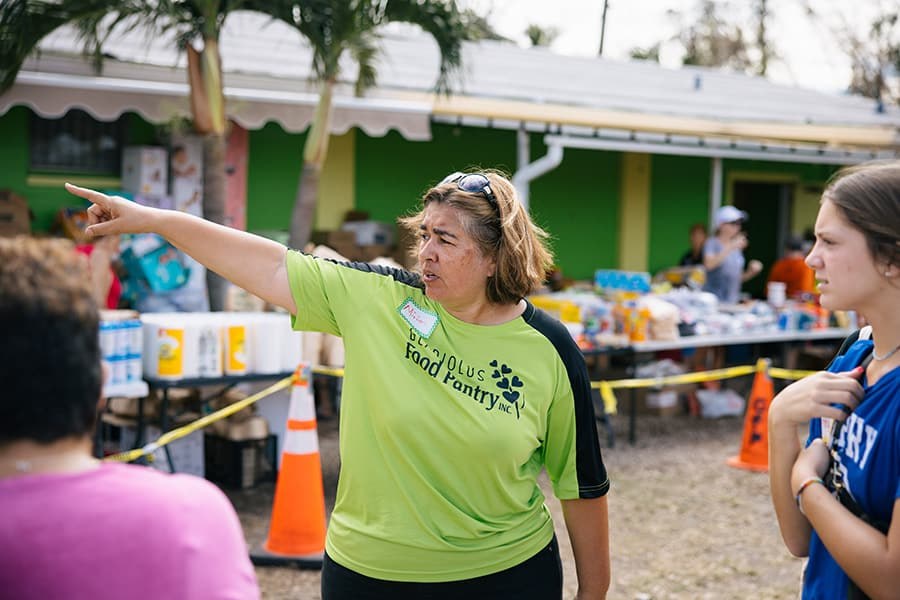
Partner Distribution
Agency Partner Network
A vetted network of nonprofits, faith communities, and community organizations that distribute food close to where neighbors live.
33.9 million distributed in FY2026 — 1,088,588 Families Served
HCFB sources, rescues, purchases, stores, and transports food at scale; partner agencies distribute it locally at trusted, established sites throughout our five-county service area.
Who it may help
Children, families, older adults, and other Southwest Florida residents — available generally, not restricted to one group.
Mobile & Direct Access
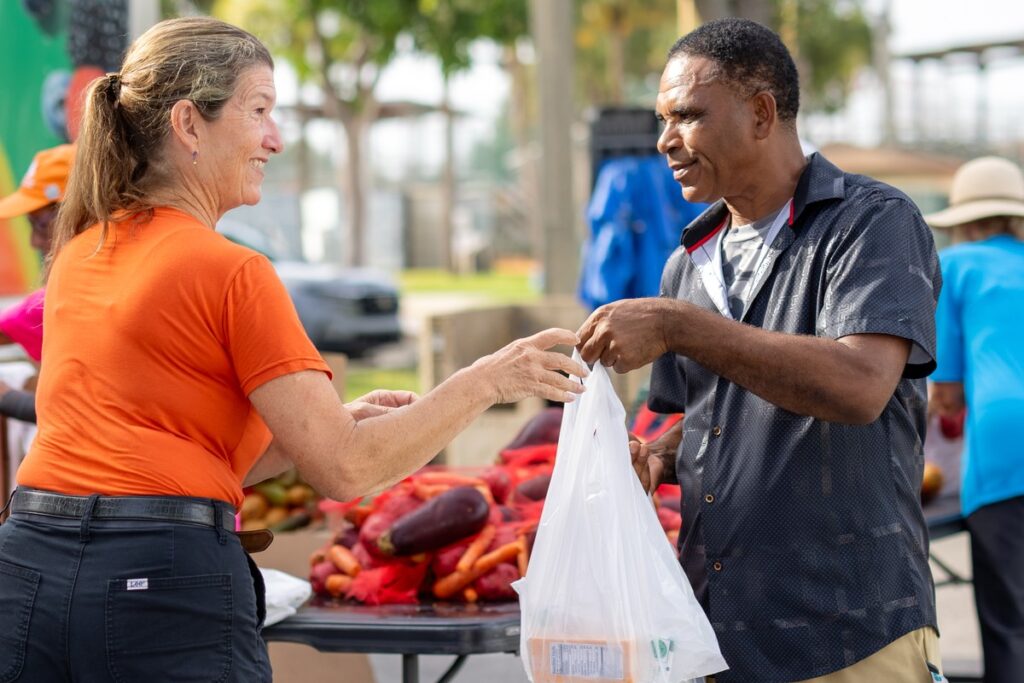
Fulfill Mobile Pantry
Mobile distributions that bring fresh and shelf-stable food directly into communities with high need across our five-county service area.
3.4 million distributed in FY2026 — 139,725 Families Served
Farmers'-market-style choice distributions and drive-thru distributions at rotating sites, roughly 40 times a month.
Who it may help
Children, adults, families, and older adults facing transportation or geographic barriers to groceries.
Mobile & Direct Access
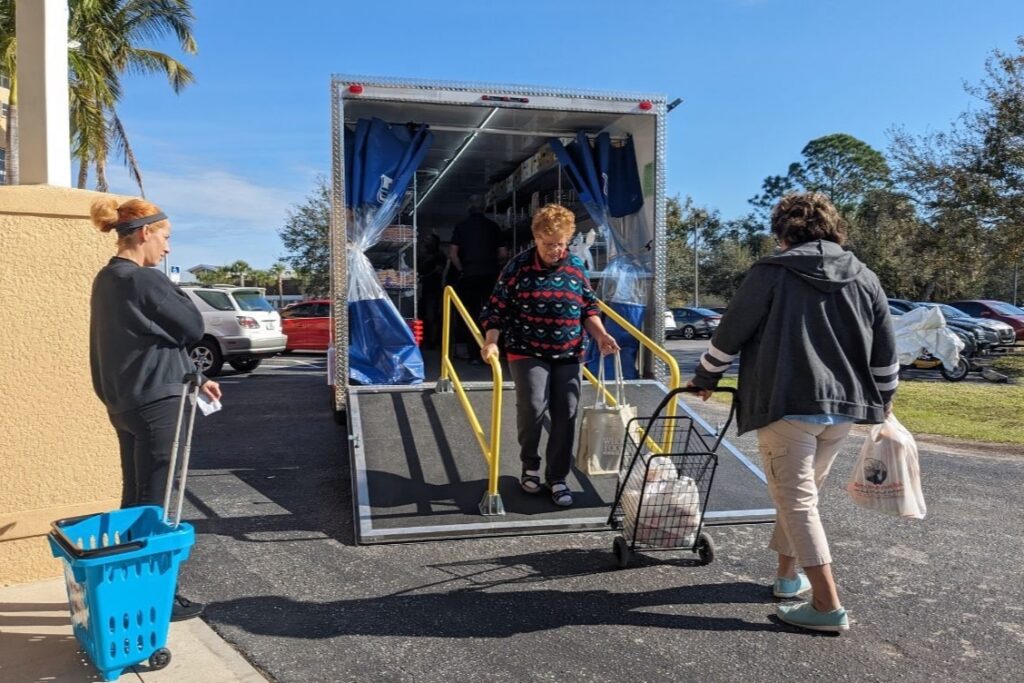
Mobile Market
A refrigerated, one-aisle mobile grocery bringing fresh, choice-based food into communities with limited grocery access.
204,283 pounds distributed in FY2026 — 7,334 Families Served
Reliable weekly truck routes, one or two stops a day, five days a week.
Who it may help
Children, adults, families, and older adults facing geographic or financial barriers to healthy food.

School & Community Sites
In-School Pantry
Choice pantries, food kits, or a hybrid of both at partner schools, so students and families can get food at a location they already visit.
857,873 pounds distributed in FY2026 — 40,181 Families Served
Food is distributed on school premises, typically at the end of the school day.
Who it may help
Children and their families at participating schools.
School & Community Sites
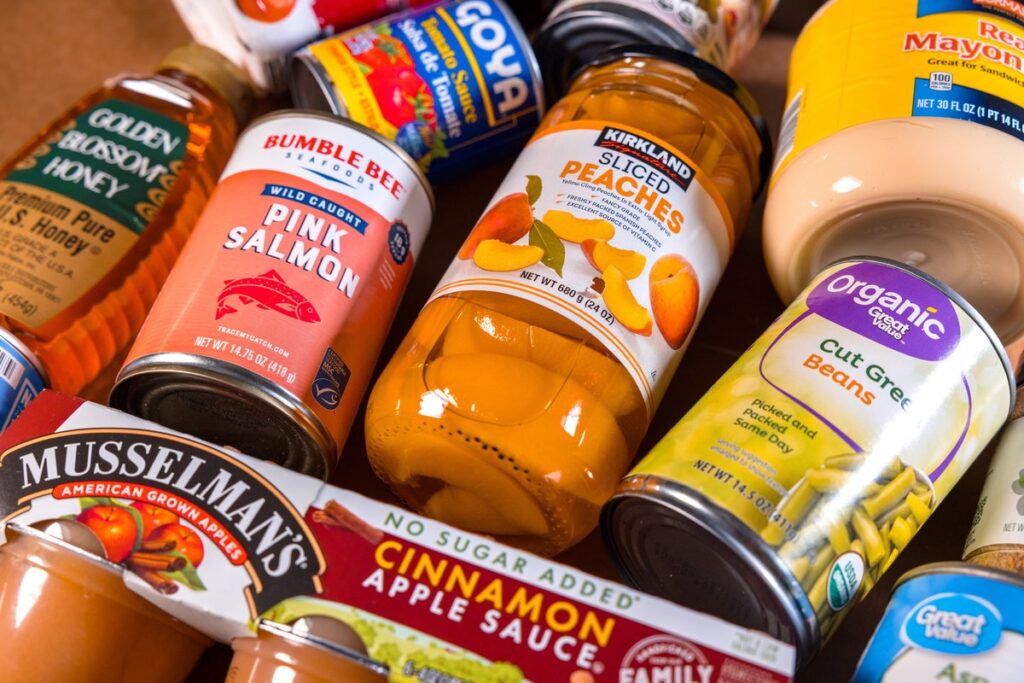
Harry’s Helpings
Family food kits distributed through childcare, early-education, and after-school sites where a traditional pantry isn't practical.
260,957 pounds distributed in FY2026 — 12,992 Families Served
Pre-packed kits, roughly 15 meals for a family of four, handed out at sites families already visit.
Who it may help
Families and children at participating childcare, early-education, and after-school sites.
Senior Support
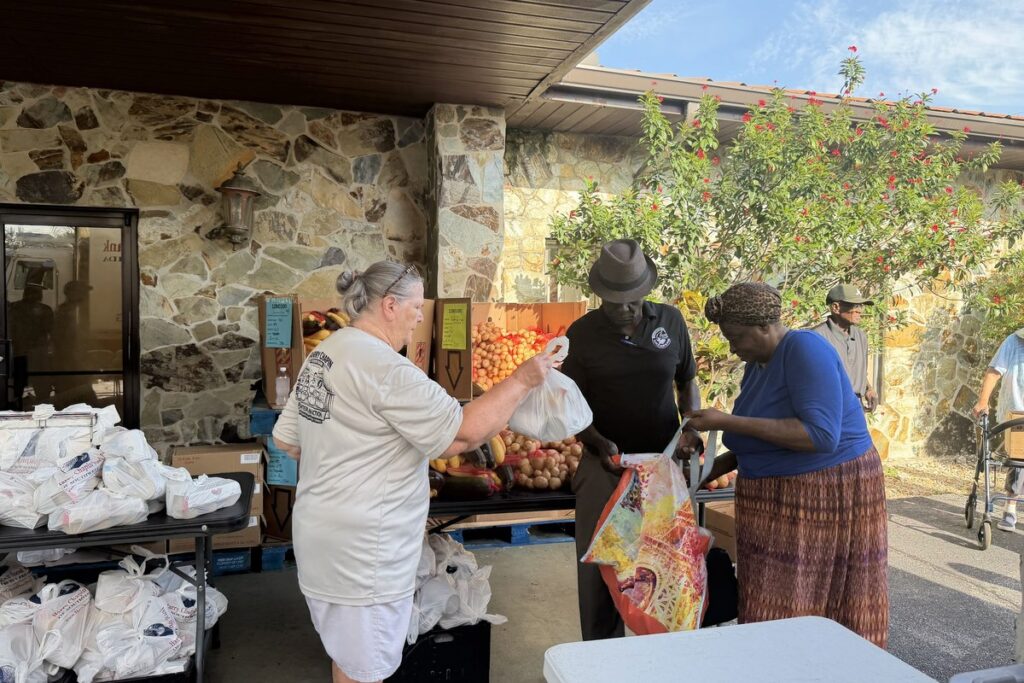
Care and Share
Monthly food kits for eligible seniors, distributed through partner and senior-housing sites in Charlotte, Collier, and Lee counties.
854,937 pounds distributed in FY2026 — 31,799 kits distributed
This is Harry Chapin Food Bank's own senior program. Pre-packaged monthly kits, sometimes supplemented with fresh produce or frozen meat, distributed through partner and senior-housing sites.
Who it may help
Individuals over 55 with income at or below 130% of the federal poverty line in Charlotte, Collier, and Lee counties.

Senior Support
Commodity Supplemental Food Program (CSFP)
A separate federal government program providing a monthly package of nutritious USDA commodity foods to income-eligible seniors.
527,677 pounds distributed in FY2026 — 11,048 Families Served
Eligible seniors receive a monthly food package through Harry Chapin Food Bank's CSFP distribution sites, administered under USDA's own eligibility rules.
Who it may help
Income-eligible seniors age 60 and older.
Family counts reflect services provided and may include the same family more than once or across multiple programs.
Looking for Food Right Now?
Which programs and schedules are available depends on where you live — Find Food shows real locations and distributions near you, with no guesswork about eligibility.
Explore More
Our Impact
See our organization-wide distribution totals, five-year trend, and county-by-county breakdown.
View Our ImpactVolunteer
Give your time at a distribution site, in our warehouse, or through other volunteer opportunities.
Ways to ServeEvery program above is powered by your support.
Your gift helps HCFB provide more meals for neighbors across Southwest Florida, through every program on this page.