Food Rescue & Partnerships
For grocery stores, food businesses and farms with surplus food to share.
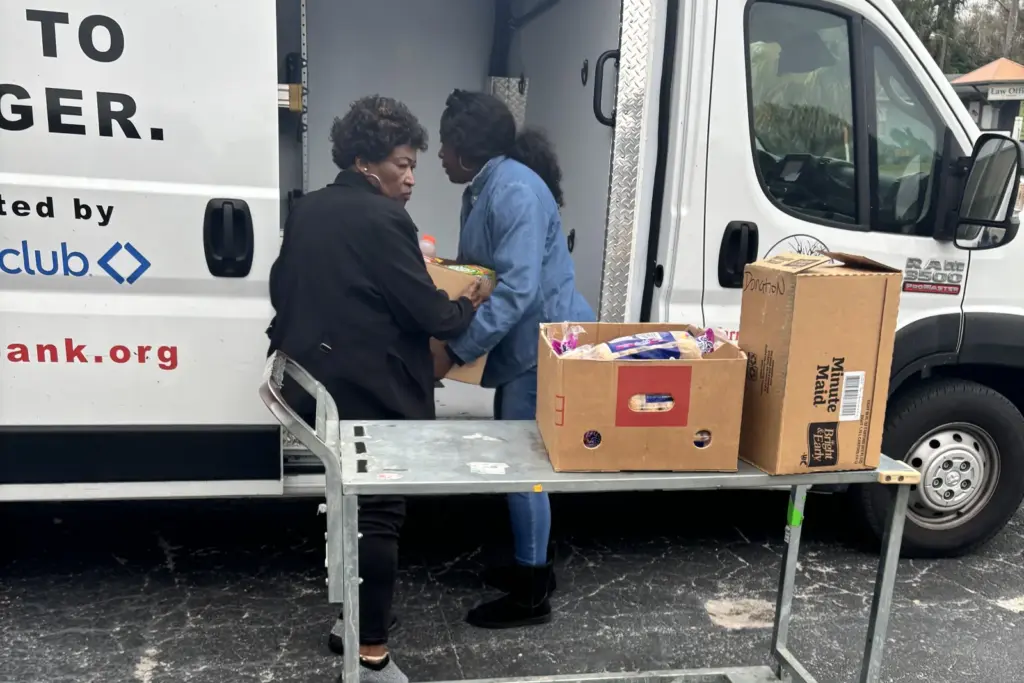
Harry Chapin Food Bank rescues safe, nutritious food that would otherwise go to waste and gets it to neighbors across Charlotte, Collier, Glades, Hendry and Lee counties.
Collecting food with a school, workplace or community group? Host a food drive instead.
From food to neighbors
The journey of food
See how food moves through Harry Chapin Food Bank and our agency partners to reach our community.
Select any step to explore its role.
Step details
Food is sourced
Harry Chapin Food Bank
Our food supply combines donated food with supplemental food purchasing.
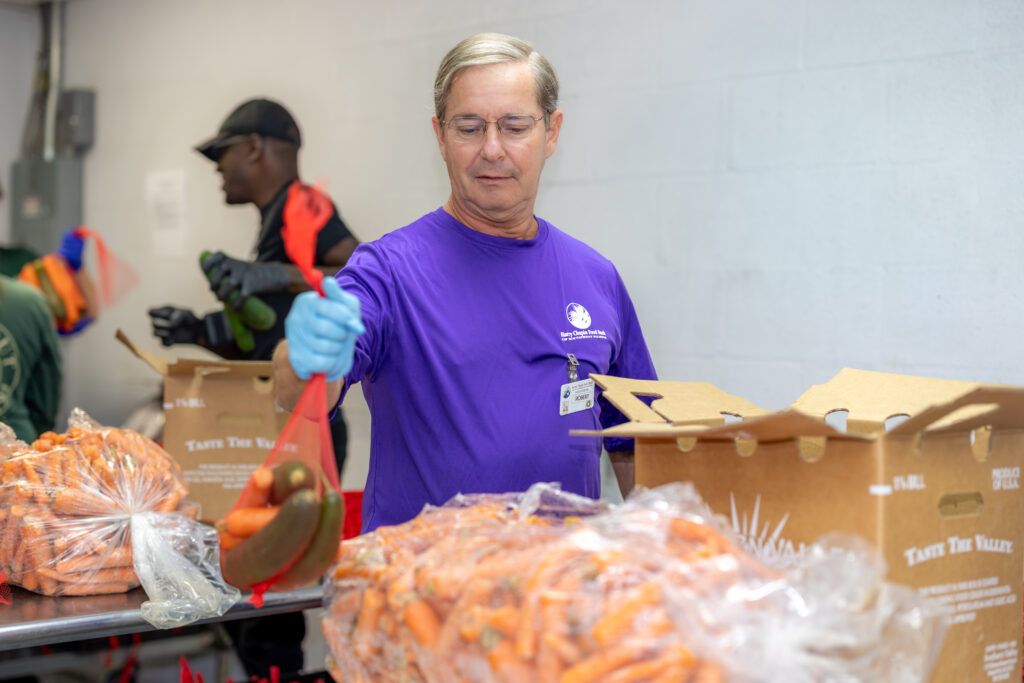
- Donated food comes from grocery stores, food providers, farms and food drives.
- Purchased food supplements donations.
Donated food
Food donors and community supporters
Grocery stores, food providers, farms and food drives contribute donated food.
- Food can follow the warehouse route.
- Eligible retail-enabled agency partners can pick up donated food directly from retail stores.
Supplemental food purchasing
Harry Chapin Food Bank
We purchase some food to supplement donated food.
- Supplemental purchasing is part of food sourcing.
- This diagram connects purchased food to the warehouse route.
Processed in our warehouse
Harry Chapin Food Bank
Food on this route is sorted and inventoried in our warehouse before moving to agency partners.
- Sort and inventory.
- Food leaves through HCFB delivery or agency partner pickup.
Delivered to agency partners
Harry Chapin Food Bank
HCFB delivers food from our warehouse to agency partners.
- This is one of two ways food moves from the warehouse to partners.
Agency pickup at our warehouse
Agency partners
Agency partners pick up food from HCFB’s warehouse for distribution in their communities.
- Pickup here means pickup at our warehouse.
The direct retail route
Eligible retail-enabled agency partners
Eligible retail-enabled agency partners pick up donated food directly from retail stores, bypassing the warehouse.
- This branch is for retail store donations only; purchased food follows the warehouse route.
- It rejoins the journey at community distribution.
Food reaches our community
Agency partners
Agency partners distribute food in our community.
- Food reaches this stage through warehouse delivery, warehouse pickup or the direct retail route.
Neighbors receive food
Our community
Neighbors receive food through agency partners in their communities.
Read the journey as text
Food is sourced through donations from grocery stores, food providers, farms and food drives, and through supplemental food purchasing. Food on the warehouse route is sorted and inventoried at Harry Chapin Food Bank (HCFB). HCFB delivers food to agency partners, or agency partners pick it up at our warehouse. An alternate route allows eligible retail-enabled agency partners to pick up donated food directly from retail stores, bypassing the warehouse. Supplemental purchased food follows the warehouse route. Agency partners distribute food in our community, and neighbors receive food.
About this diagram
The labels show who carries out each step. They are not formal points where legal responsibility for the food changes hands.
Ways to partner
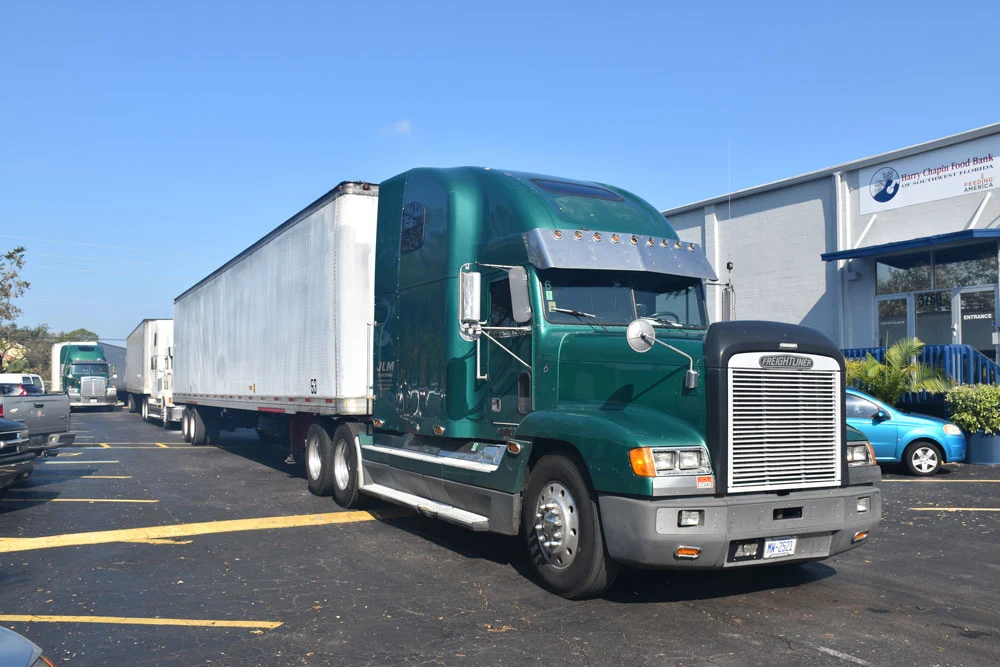
As a member of Feeding America, we rescue food from national retail and grocery stores, national food providers and farms.
Retail and grocery
Grocery stores and retailers can donate food they can no longer sell. Follow the journey of food.
Wholesale and distribution
Wholesalers and distributors with surplus food can talk with our team about donating it.
Manufacturing
Through Feeding America, we rescue food from national food providers. Food manufacturers with surplus product can talk with our team about donating it.
Farms and growers
We rescue produce from local farms, including farms outside the Feeding America network.
Discuss donating food
Grocery stores and retailers
If your store or food business has surplus food available to donate, contact our Retail Rescue team to discuss the next steps.
Wholesalers, manufacturers and farms
Send us a message through our contact form to talk with our team about donating surplus food.
For agency partners
Select agency partners coordinate their own pickups of designated food from retail stores through our retail rescue program. If your agency is interested, contact [email protected] or your partner engagement coordinator.
Collecting food in your community?
Food drives are for schools, workplaces, faith communities and friends who collect food together.