FY2025–26
Our Impact in Southwest Florida
In FY2025–26, Harry Chapin Food Bank distributed 40.1 million pounds of food across Charlotte, Collier, Glades, Hendry, and Lee counties — including 15.9 million pounds of fresh produce. That’s enough food for more than 33 million meals for our neighbors facing hunger.
FY2025–26 Distribution Impact
Organization-wide totals across our five-county Southwest Florida service area. Fresh produce is included within total pounds distributed, not counted separately.
40.1 million
Pounds of Food Distributed
15.9 million
Pounds of Fresh Produce
33.4 million
Meals Made Possible
5 Counties
Southwest Florida Service Area Charlotte, Collier, Glades, Hendry & Lee
Of the total distributed, 4,000 pounds were distributed outside our five-county service area.
Five-Year Distribution Trend
Total pounds of food distributed and fresh produce distributed, organization-wide, for each of the last five fiscal years. Fresh produce is always a subset of total pounds — never an additional amount on top of it. Figures are sourced from our own published annual Impact Reports; exact values are kept internally and rounded here for readability.
| Fiscal Year | Total Pounds Distributed | Fresh Produce Distributed | Produce Share |
|---|---|---|---|
| FY2021–22 | 34.7 million | 12.0 million | 34.6% |
| FY2022–23 | 35.7 million | 8.6 million | 24.1% |
| FY2023–24 | 39.5 million | 8.9 million | 22.5% |
| FY2024–25 | 38.7 million | 12.0 million | 31.0% |
| FY2025–26 | 40.1 million | 15.9 million | 39.7% |
County-by-County Impact
See how food reached neighbors across our five-county service area. Choose a fiscal year, then select a county to explore its impact.
All Five Counties
- Pounds of food distributed
- 40.1 million
- Pounds of fresh produce
- 15.9 million
- Fresh produce share
- 39.7%
Charlotte, Collier, Glades, Hendry and Lee counties
| County | Total Pounds Distributed | Fresh Produce Distributed | Produce Share |
|---|---|---|---|
| Charlotte | 4.6 million | 1.3 million | 27.6% |
| Collier | 13.5 million | 7.2 million | 53.5% |
| Glades | 651,261 pounds | 135,243 pounds | 20.8% |
| Hendry | 2.1 million | 591,688 pounds | 27.6% |
| Lee | 19.2 million | 6.7 million | 35.0% |
An additional 4,000 pounds were distributed in Sarasota County, outside HCFB's five-county service area.
How We Report These Numbers
Figures above reflect the FY2025–26 fiscal year (July 1 – June 30) unless otherwise noted. Fresh produce is always included within total pounds distributed — it is never an additional amount added on top.
Where we describe our impact in meals, we use our approved conversion of 1.2 pounds of food per meal. This is a standard estimate used across the food banking field, not a count of meals actually served.
Exact figures for every fiscal year shown are retained in our internal records; the values displayed above are rounded for readability. Detailed source documentation and prior-year figures are reviewed by Development and Operations before each fiscal year’s data is published here.
Impact Stories
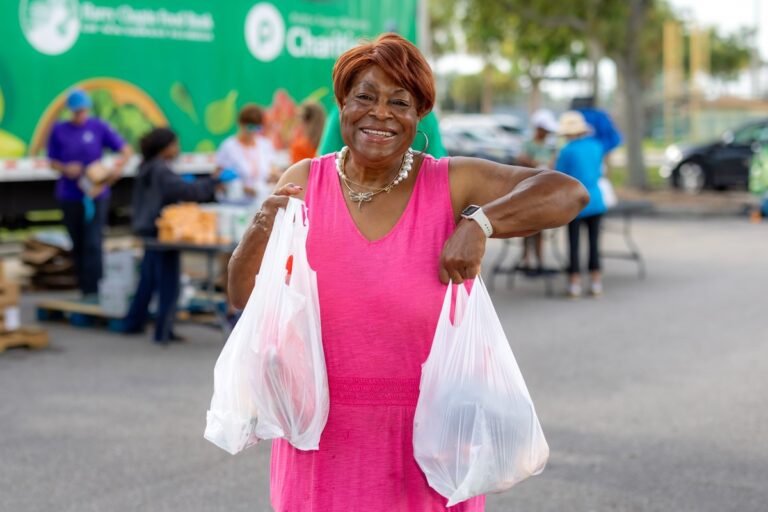
Food That Brings Relief
Mary Brown helps care for her grandchildren while sharing a home with her mother, three siblings and two grandchildren. With so many people depending on the same household budget, keeping enough food on the table can be difficult.
Read Food That Brings Relief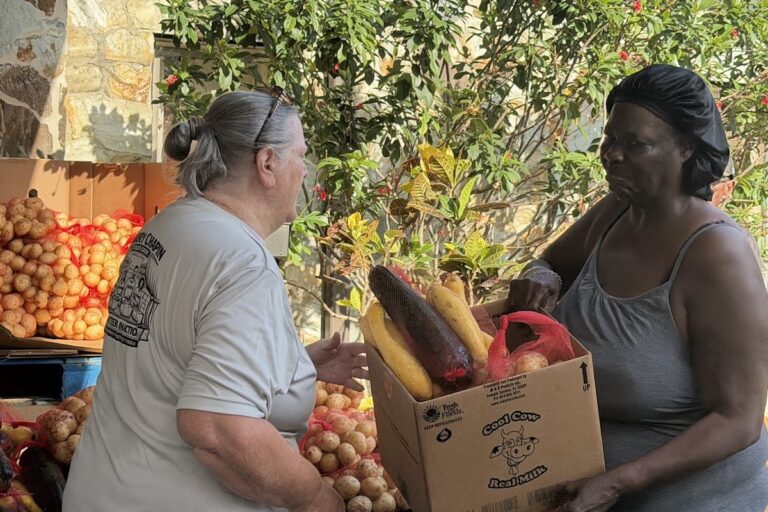
Stretching a Little Food a Long Way
When Harry Chapin Food Bank holds a food distribution in Immokalee, Debra Milton is among the neighbors who come for fresh produce, protein products and other nutritious food to bring home to their families.
Read Stretching a Little Food a Long Way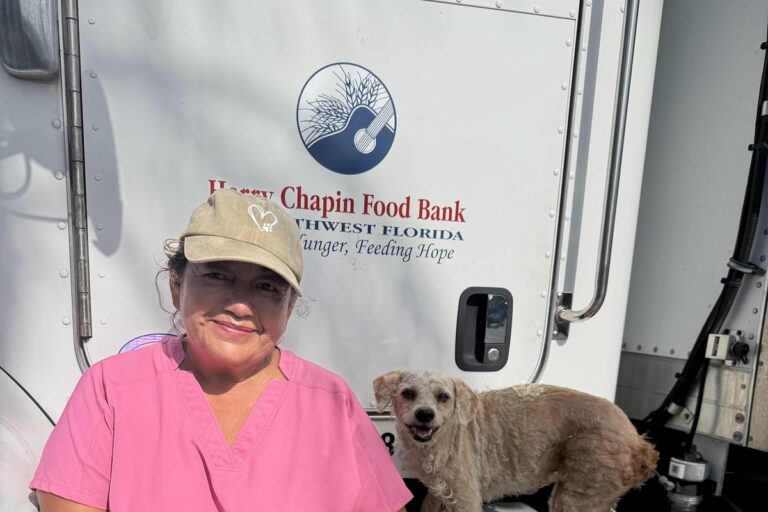
Neighbor Spotlight: Hope Found in Immokalee
Every Tuesday morning, Maria Perez arrives at Harry Chapin Food Bank's mobile food distribution at Immokalee Church of the Nazarene with her service dog, Amy. For the past two years, the weekly distribution has helped Maria and her mother, who lives with her, put nutritious food on the table.
Read Neighbor Spotlight: Hope Found in ImmokaleeExplore More
Reports & Financials
See our IRS Form 990, audited financial statements, and annual impact reports for the last five fiscal years.
View Reports & FinancialsFood Insecurity in Southwest Florida
Learn about the need behind these numbers — who faces hunger in our five-county service area and why.
Learn About the NeedGive Help
Make a gift, volunteer, or host a food drive — see every way you can help your neighbors.
Ways to HelpEvery pound above starts with a gift.
Your support is what makes this impact possible. Help us reach even more of our neighbors facing hunger.